
Note-taking methods for lectures that you can revise from
In short: No layout does the thinking for you. Cornell notes make later self-testing easy. Fill gaps the same day.
Lecture notes have two lives. In the first you are trying to keep up while the slides move on. In the second, weeks later, you are trying to work out what "important!!" referred to. A good method serves both without making the first one harder.
No layout does the thinking for you. Still, a little structure makes it easier to listen, choose and come back later.
Four methods worth trying
| Method | How it works | Fits |
|---|---|---|
| Outline | Main points at the margin, details indented below | Well structured lectures |
| Cornell | A notes column, a narrow cue column and a short summary at the foot | Material you will be examined on |
| Mind map | The topic in the middle, linked ideas branching out | Discussions and overviews |
| Question notes | Each point written as a question with its answer below | Facts and definitions |
The Cornell layout, step by step
Draw a vertical line about a third in from the left, and leave a few lines free at the bottom. During the lecture, write in the wide column. Use short phrases and your own words where you can.
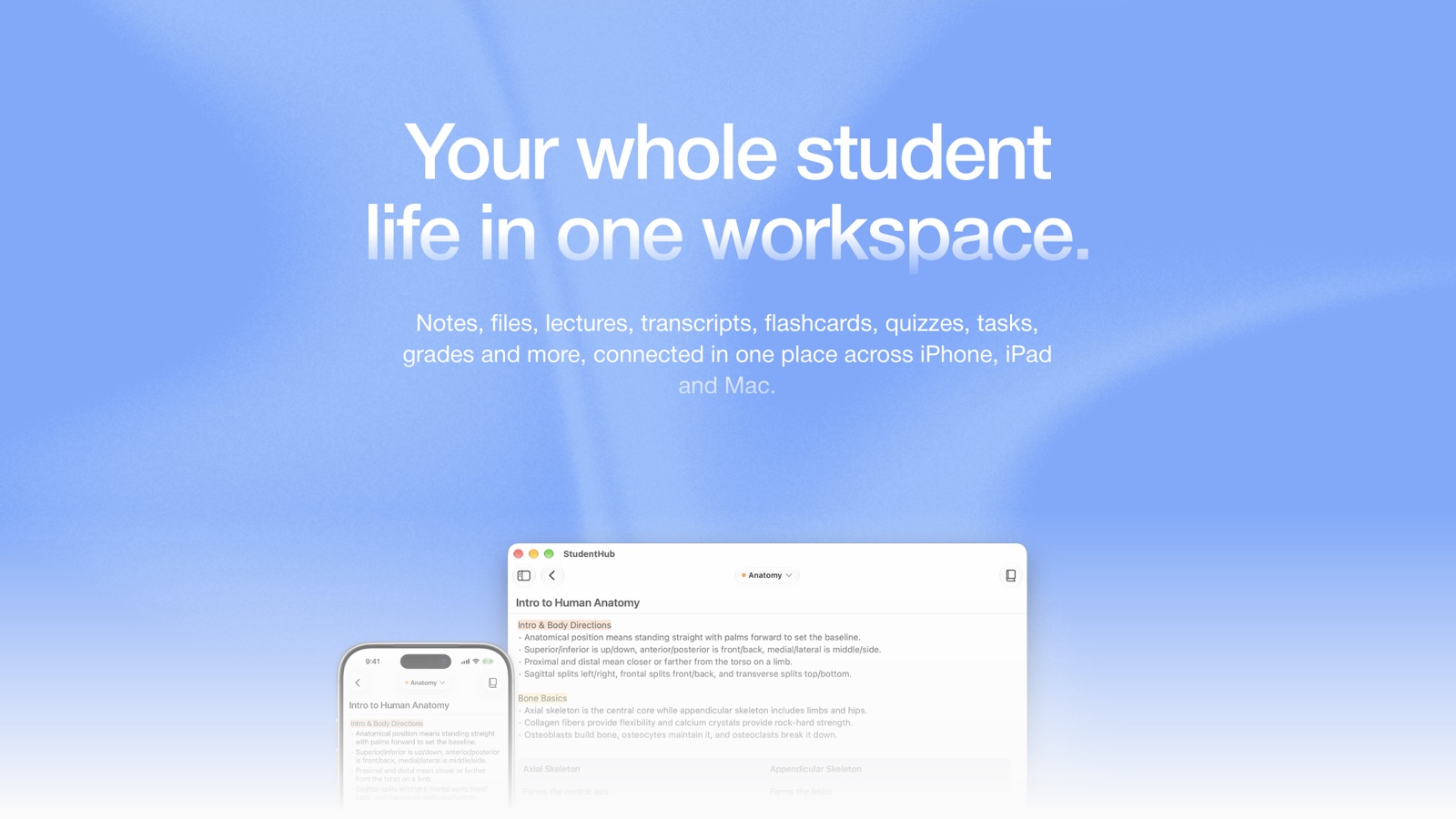
Soon afterwards, add cues in the narrow column: a question, a key term or "example?". Finish with two or three sentences at the bottom saying what the lecture was about. To revise, cover the wide column and answer the cues from memory.
What to write while listening
You cannot copy everything, so listen for the things slides tend to leave out: why a step follows, what the lecturer compares, which mistakes students often make and any example worked on the board. Leave a visible gap and a question mark when you lose the thread. A gap is easy to fill later, while a half understood sentence just sits there looking finished.
Typing is fast, which makes it tempting to transcribe. If you notice that your fingers are moving and your mind is elsewhere, stop and write one line in your own words.
Same day, five minutes: fill the gaps, add cues and mark anything to ask about. It is much easier while you still remember the room.
Turn notes into revision
Notes become useful for exams when they ask you something. Convert the key cues into flashcards that test one thing each, or close the notebook and write what you remember before checking. Our guide to self-testing explains the research behind that habit.
Try one method for two weeks in one course before you judge it. If you want your cards to live next to your text, some flashcard apps combine the two. And if the notes are ugly but you can answer from them, they are doing fine.
Try it tonight: Open today's notes and add three questions in the margin. Cover the answers and try them.
Common questions
Which note-taking method is best?
It depends on the course. Try one method for two weeks in one subject and judge whether you can answer questions from the notes.
Should I type or write by hand?
Use whichever lets you listen and choose what matters. If you are copying word for word, stop and write one line in your own words.
When should I review my notes?
The same day is ideal for filling gaps, because you still remember the lecture. Return later and test yourself on the cues.